AI's first cut to knowledge work is pay, not layoffs.你的工资给‘稀缺’定价,不是给‘能力’定价;当 AI 达到平均水平、能以算力成本复制,稀缺消失,工资随之下跌。

New research from DeepMind cofounder Shane Legg and colleagues reaches a counter-intuitive result: in a 14-person model economy, when AI merely matches the human average, specialist pay falls from 4.15 to 2.90 (about 30%) with no one laid off.
The mechanism is hard. Your wage was never pricing your skill; it was pricing your scarcity. A skill pays because few people have it and it cannot be copied. Once AI reaches the average, it can be reproduced at compute cost, and the scarcity ends at once; the price drops even if your ability has not. The sharper step in the paper: when AI surpasses every human expert, top programmer pay falls below a tenth of its peak, and the only role left with bargaining power is the coordinator who directs the AI.
What it means for you: don't treat your wage as a certificate of ability. Ask one question: is the money I earn protected because no one can copy me, or only because no one has copied me yet? If it is the second, the real leverage is to move toward the coordinator end: do the judgment, the allocation and the owning-of-outcomes, not the part that can be reproduced.
This call is wrong if independent labor data show that, in the jobs most exposed to rising AI capability, experts' real wages do not fall.
DeepMind 联合创始人 Shane Legg 一组新研究今天(10 月 31 日)引出一个反直觉的结论:AI 对知识工作者的第一刀不是裁员,是降薪——在一个 14 人的模型经济里,当 AI 只达到人类平均水平,专家薪资就从 4.15 掉到 2.90,降了约 30%,一个人都没被裁。
机制很硬。你的工资从来不是在给你的“能力”定价,是在给你的“稀缺”定价。一项技能值钱,是因为会的人少、复制不出来。AI 一旦达到平均水平,就能以算力成本被无限复制,稀缺当场消失;于是价格下跌,哪怕你的本事一点没退。研究里更狠的一步:当 AI 超过所有人类专家,顶级程序员的薪资会跌到巅峰的十分之一以下,唯一还握着议价权的,是指挥 AI 干活的“协调者”。
对你的含义:别把工资当成能力证书。先问一句——我现在赚的这份钱,靠的是别人复制不了我,还是别人还没来得及复制我?如果是后者,真正的杠杆是往“协调者”那一端挪:去做判断、分配和对结果负责的那部分,而不是可被复制的那部分。
会推翻这个判断的信号:如果独立的劳动力数据显示,在 AI 能力明显上升的那些岗位上,专家的实际薪资并没有随之下滑,这个判断就要修正。
Sources来源
Add WAKENEX as a preferred source on Google在 Google 把 WAKENEX 设为首选来源
READ NEXT接着读
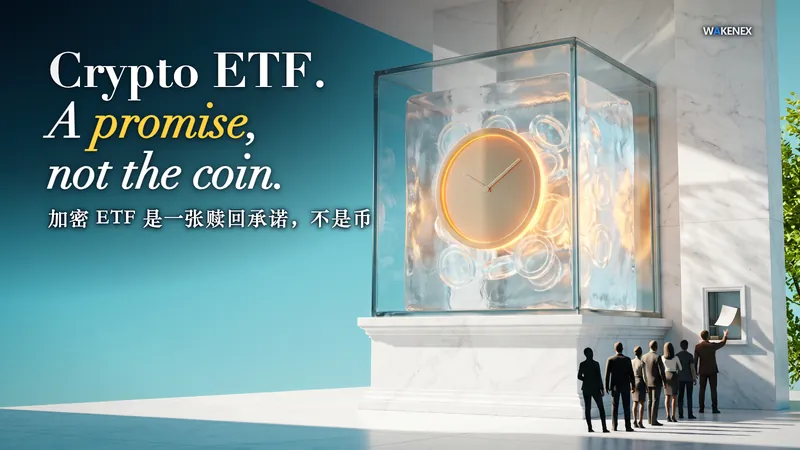
A crypto ETF is a redemption promise, not the coin.加密 ETF 卖的是“合规、方便的敞口”,但你买到的不是代币,是一张随时赎回的承诺——方便搬走了保管的麻烦,也搬走了你对资产的直接所有权。
A crypto ETF sells you "compliant, convenient exposure." But what you own is not the coin — it's a standing promise to redeem. The wrapper removes the hassle of custody, and with it your direct ownership of the asset.
现在美国的加密 ETF 已经远不止比特币:Grayscale 10 月 21 日一口气铺到 Solana、XRP、狗狗币、Avalanche、Chainlink、Hyperliquid、Sui、Zcash。包装跑在了规则前面。SEC 对“新型 ETF”的那份 27 问意见征询里,有一条直指要害——质押型基金在持有人集中赎回时能不能按时兑付,因为链上币被锁住、解锁要排队,而 ETF 承诺的是每日赎回。
Open note阅读短评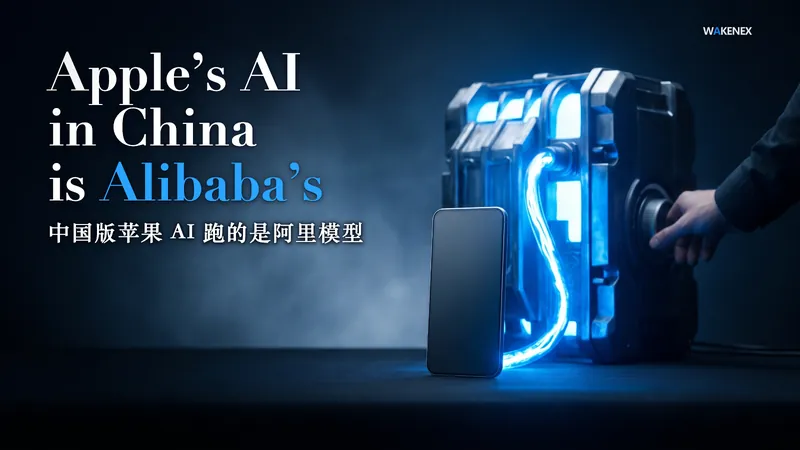
Apple Intelligence in China runs on Alibaba's Qwen, not Apple's own model.中国版 Apple Intelligence 跑的是阿里巴巴的千问(Qwen),不是苹果自己的模型。
On October 31 Apple confirmed its first batch of China AI features (Live Translation, Writing Tools, Visual Intelligence, Clean Up, Genmoji) opens for developer-beta testing on November 4 and ships with iOS 27.3 in December, all powered by Alibaba's Qwen inside Siri and Writing Tools. This first wave excludes the next-generation Siri Apple showed at WWDC 2026.
10 月 31 日,苹果确认其在中国的第一批 AI 功能(实时翻译、写作工具、视觉智能、清除工具、Genmoji)将于 11 月 4 日随 iOS 开发者 Beta 版开放测试,并在 12 月随 iOS 27.3 正式上线,全部由阿里巴巴的千问(Qwen)在 Siri 和写作工具里驱动。这第一批不包含苹果在 WWDC 2026 上演示的下一代 Siri。
Open note阅读短评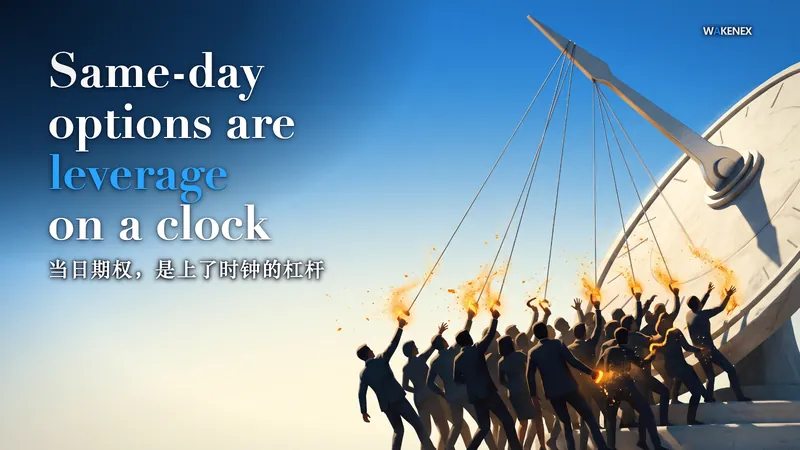
Record 0DTE options volume is one-day leverage, not market depth.期权成交量创纪录是一天内的杠杆,不是市场深度。
Cboe said Thursday that zero-days-to-expiry (0DTE) options hit a record 24.2 million contracts a day last quarter, about 36% of all US options volume, as record 0DTE activity drove its options revenue higher. The common read treats that as depth. It is closer to the opposite.
Cboe 周四(10 月 30 日)表示,上个季度零日到期(0DTE)期权成交量创下日均约 2420 万张的纪录,约占全美期权成交量的 36%;正是创纪录的 0DTE 活动推高了它的期权业务收入。普遍的读法把这当成深度,其实几乎相反。
Open note阅读短评